West India
Bird Tour Asia ran this trip in India in February 2017. Their report names 310 species (15 mammals, 295 birds) and 7 places we could match. The full report is published by Bird Tour Asia.
Photos from the trip
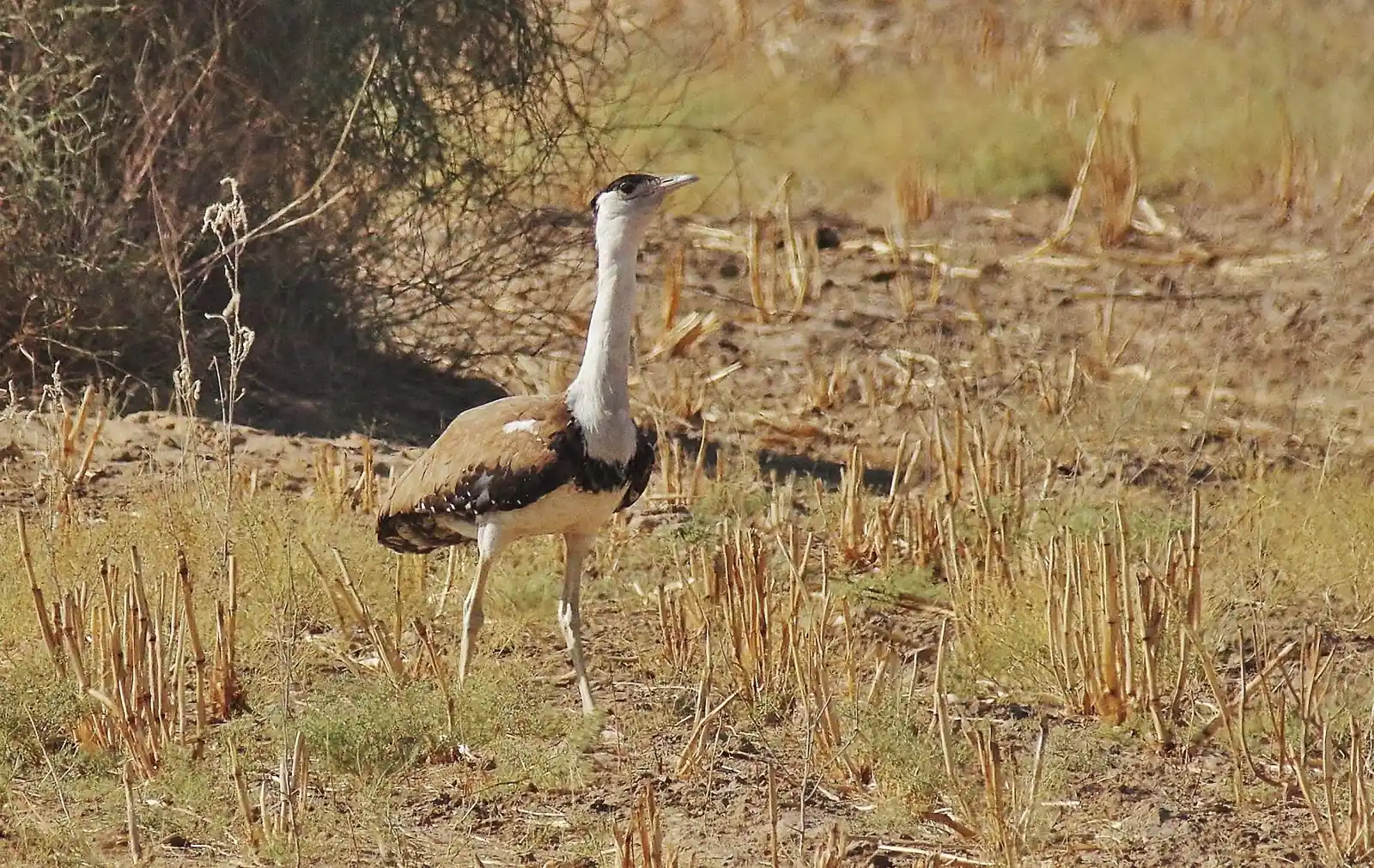
Photo: Mike Nelson
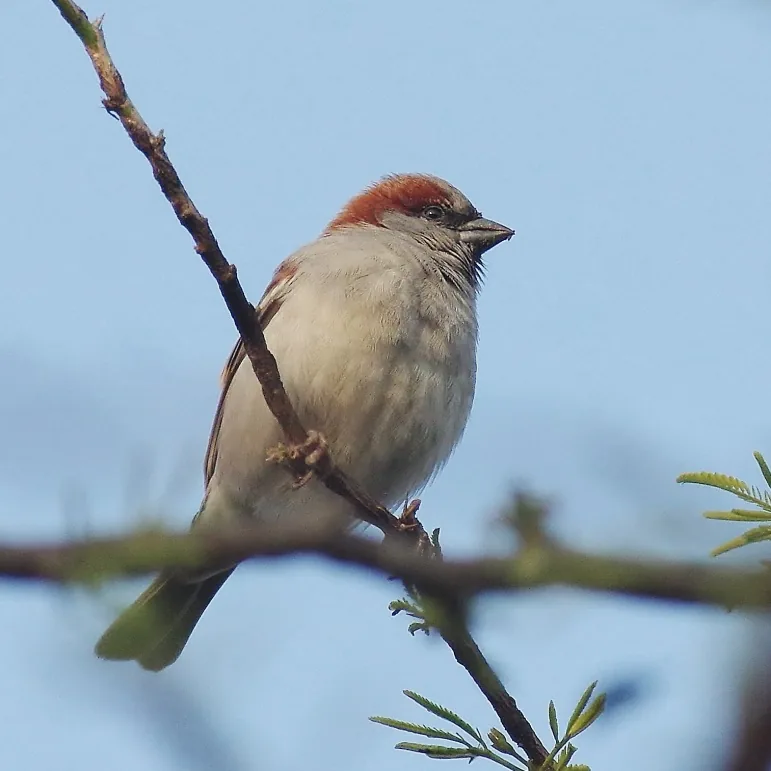
Photo: Bird Tour Asia
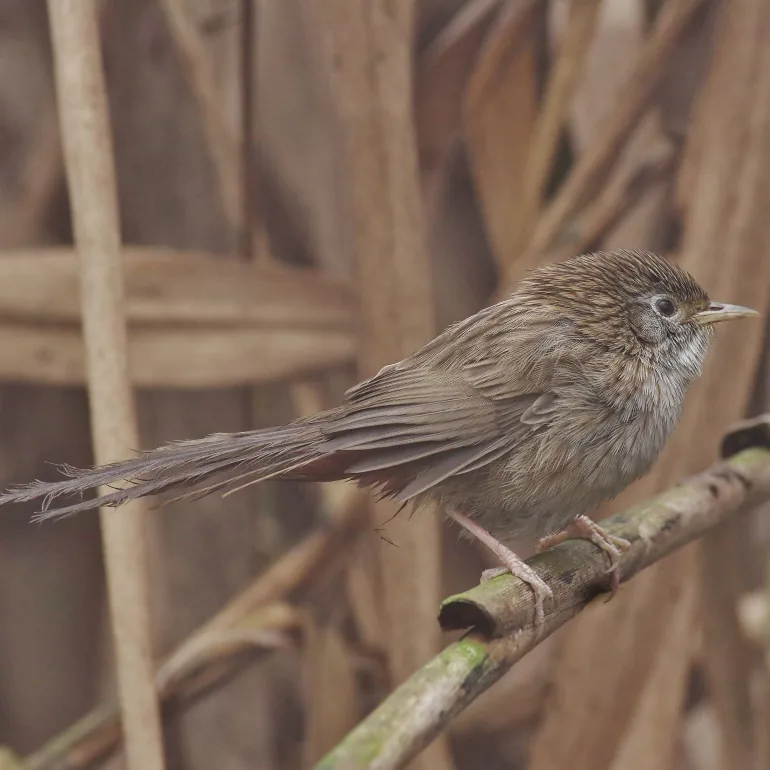
Photo: Bird Tour Asia
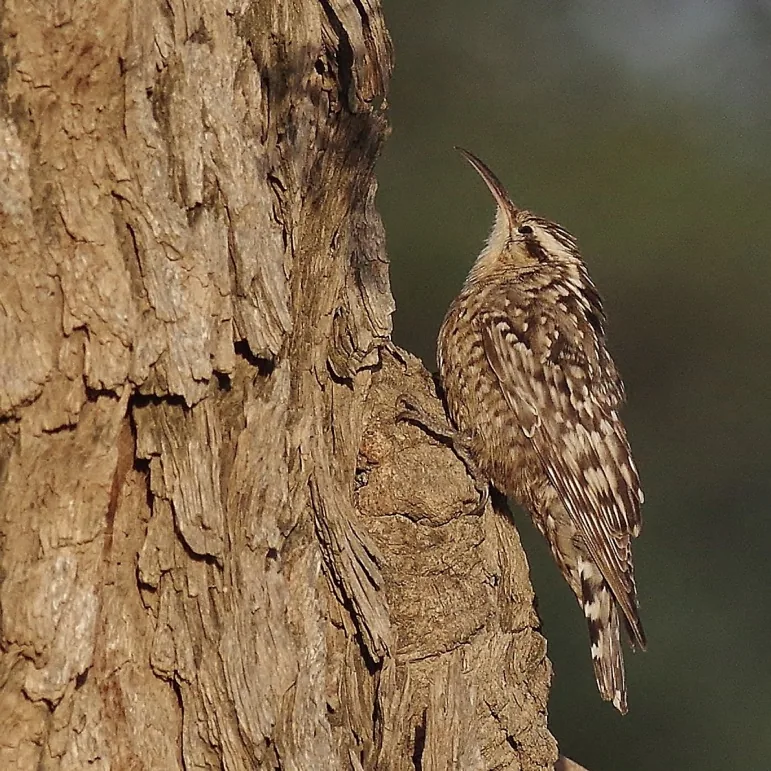
Photo: Bird Tour Asia
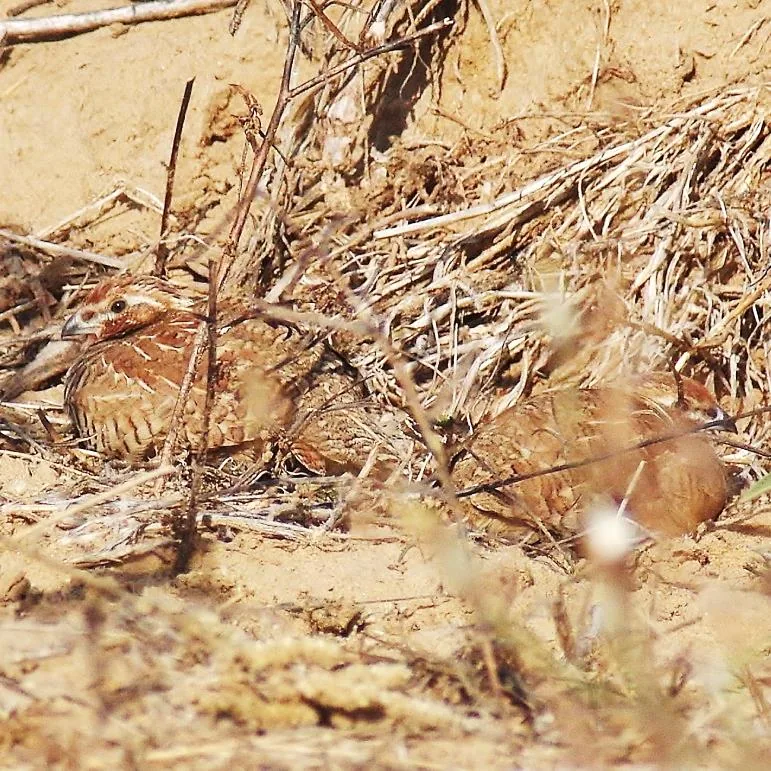
Photo: Bird Tour Asia
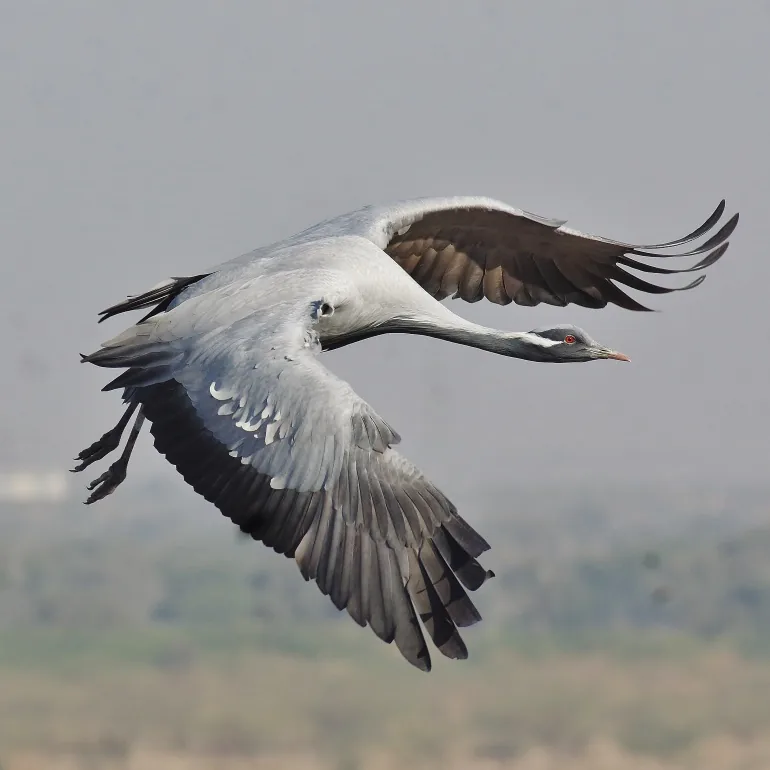
Photo: Bird Tour Asia
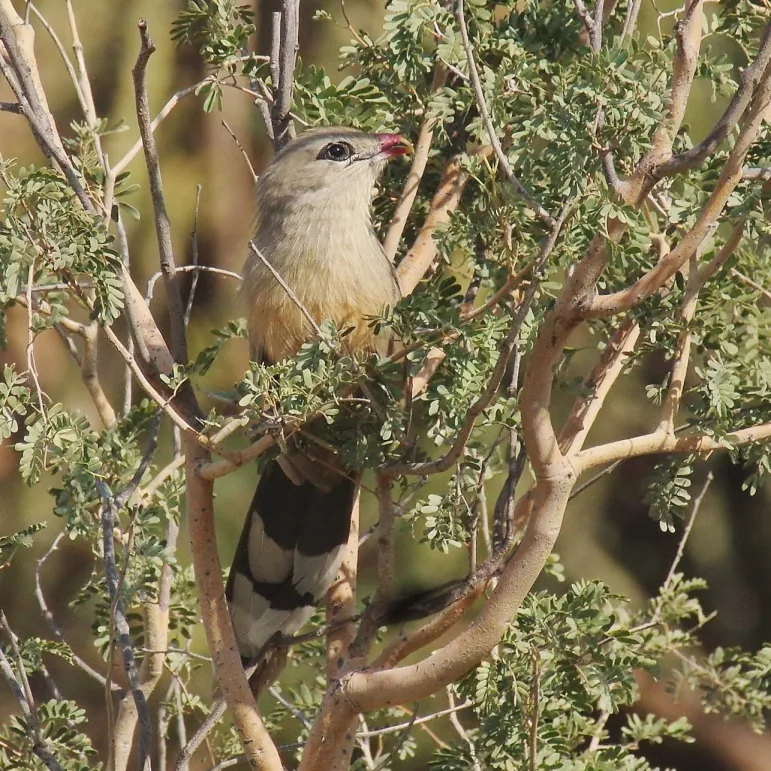
Photo: Bird Tour Asia
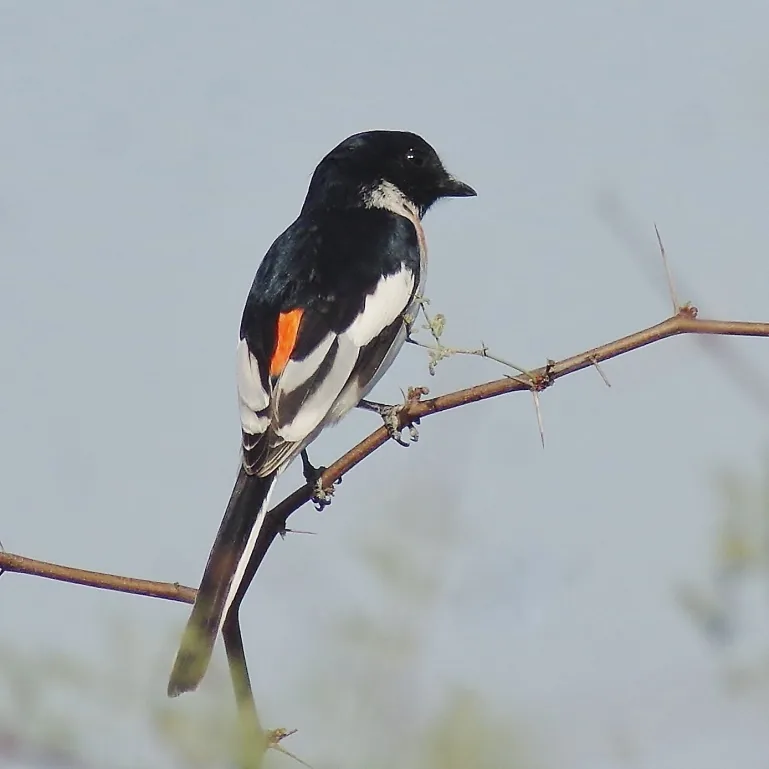
Photo: Bird Tour Asia
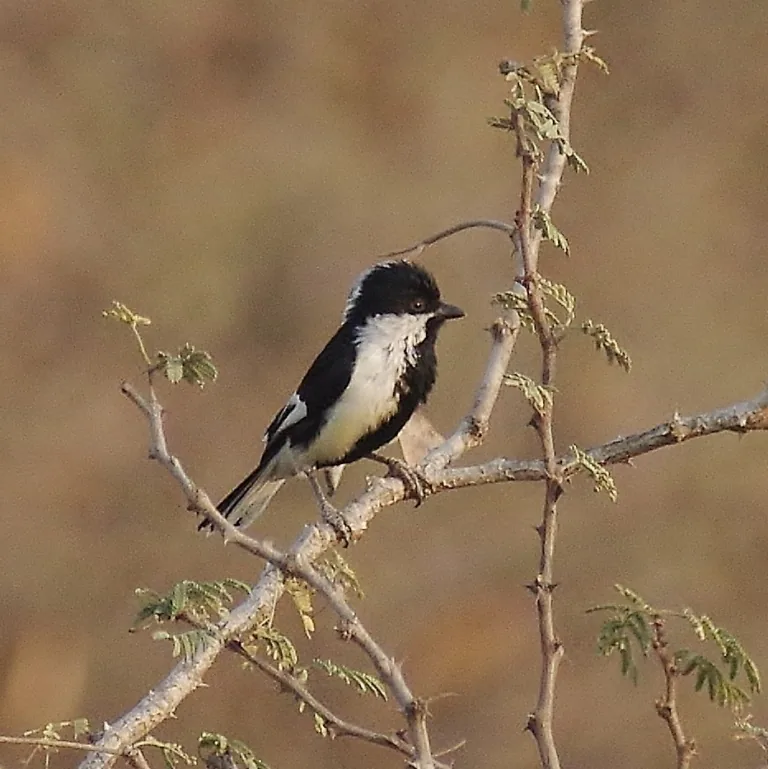
Photo: Bird Tour Asia
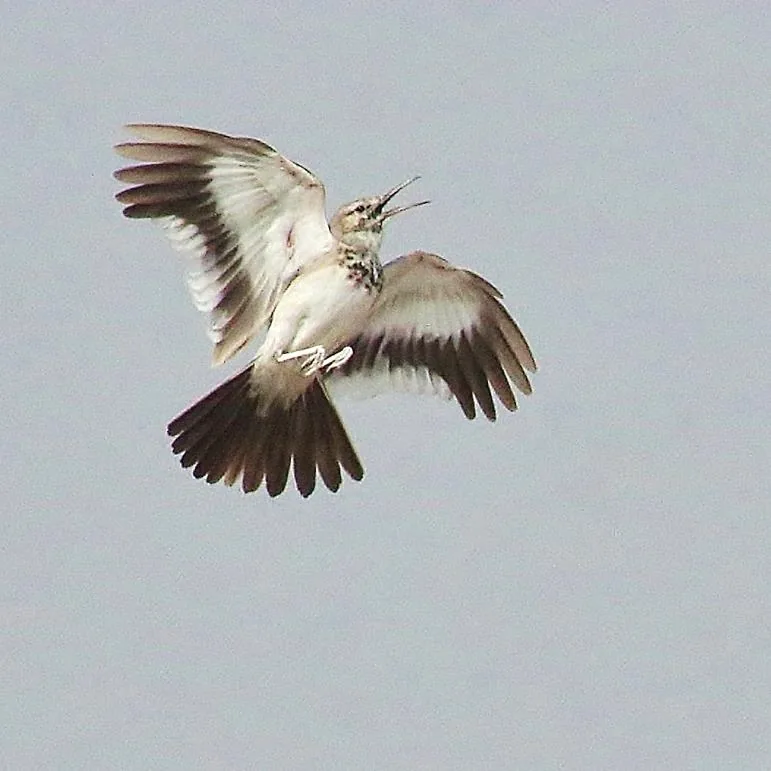
Photo: Bird Tour Asia
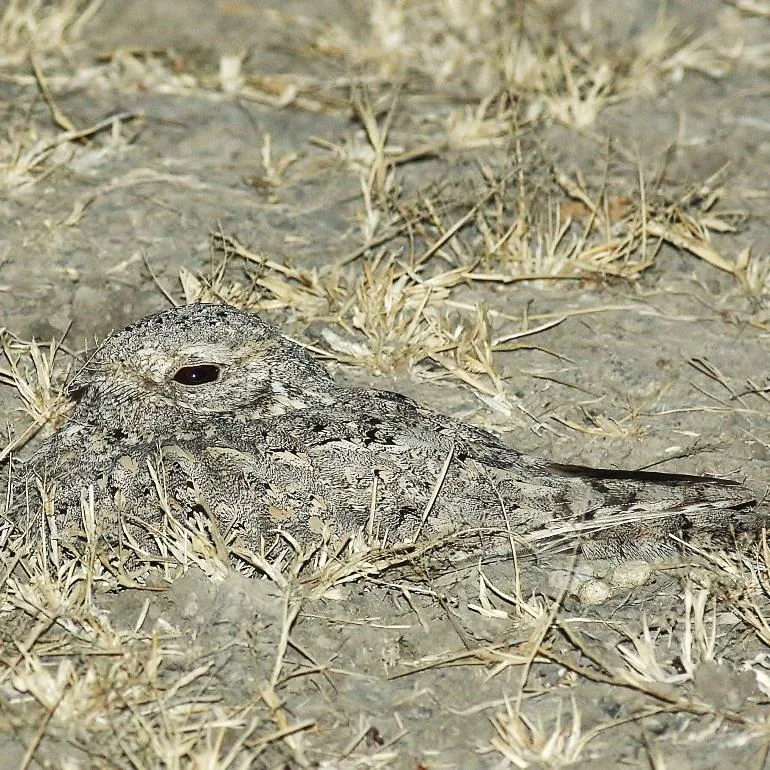
Photo: Bird Tour Asia
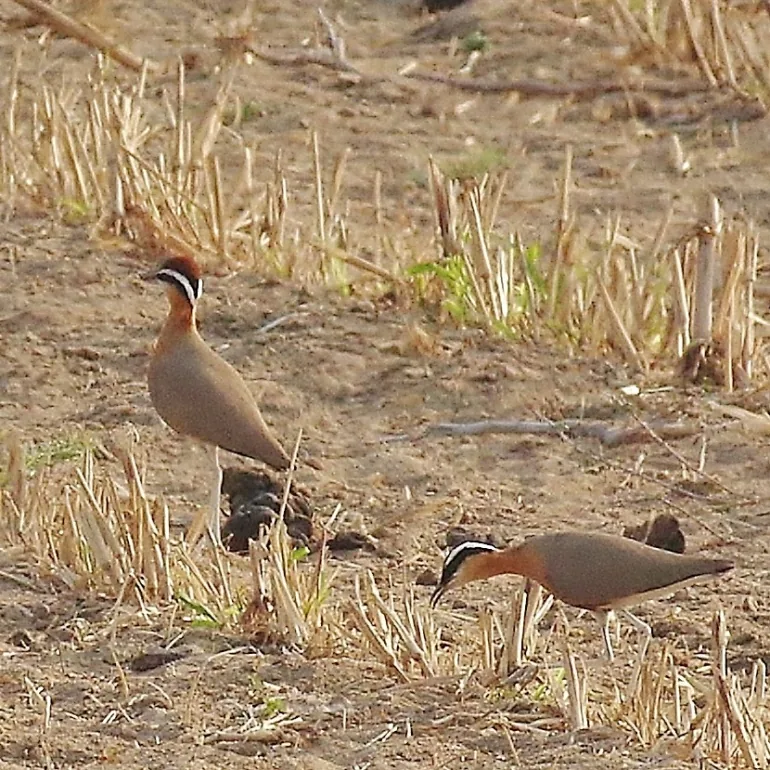
Photo: Bird Tour Asia
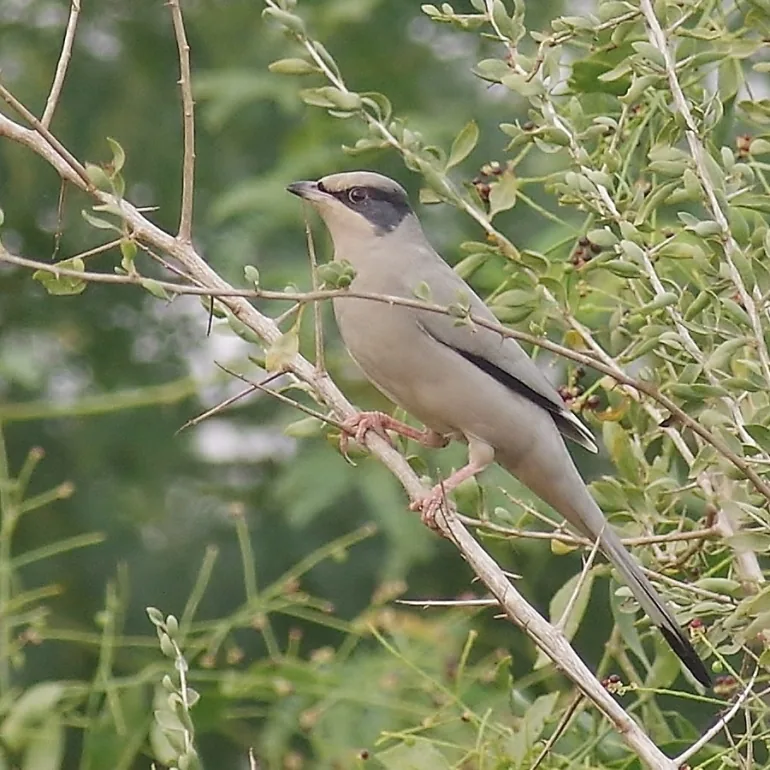
Photo: Bird Tour Asia
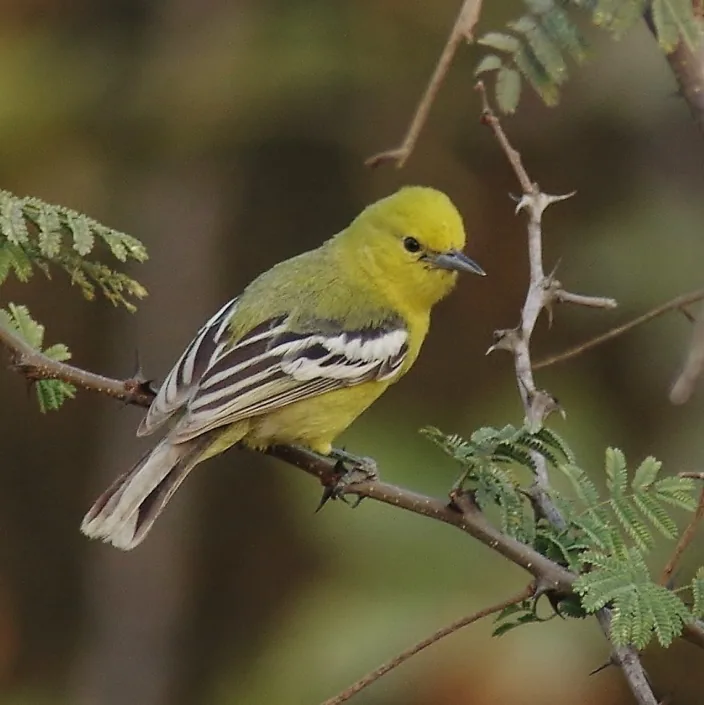
Photo: Bird Tour Asia
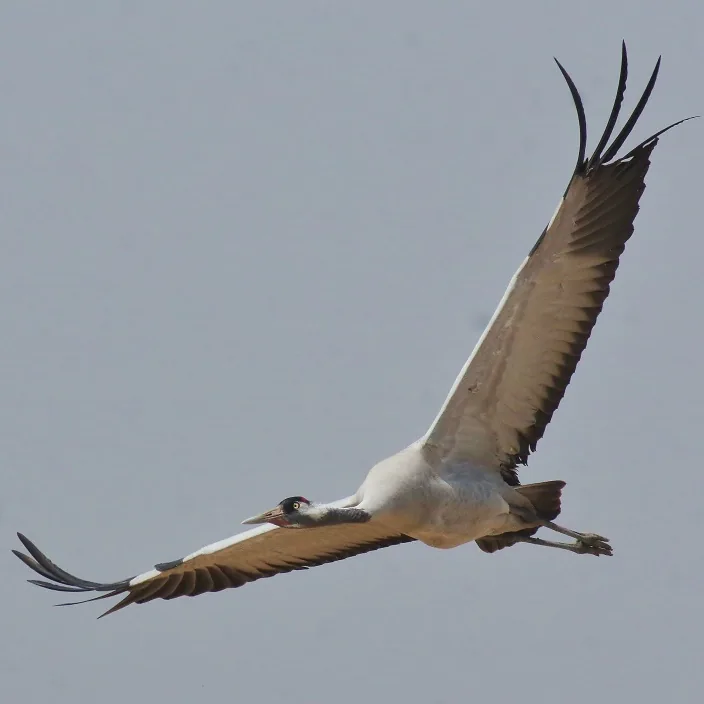
Photo: Bird Tour Asia
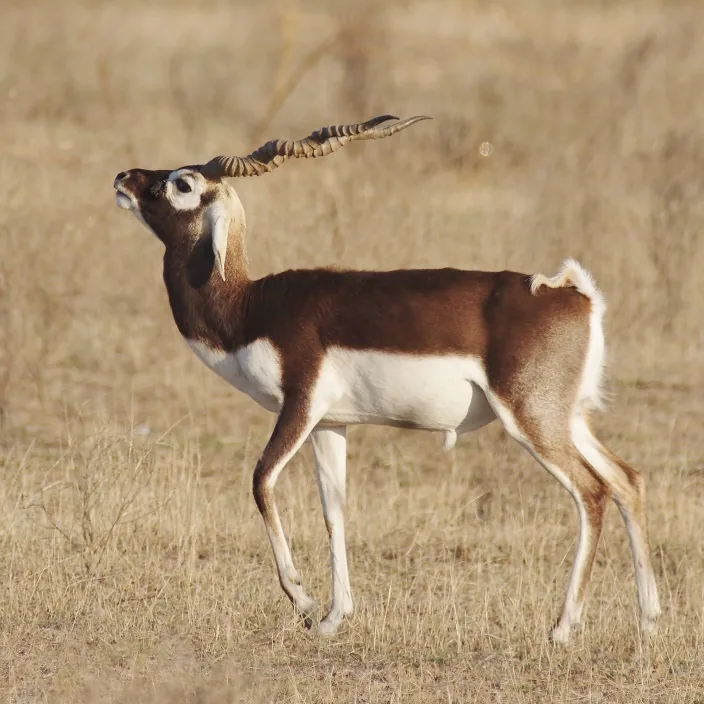
Photo: Bird Tour Asia
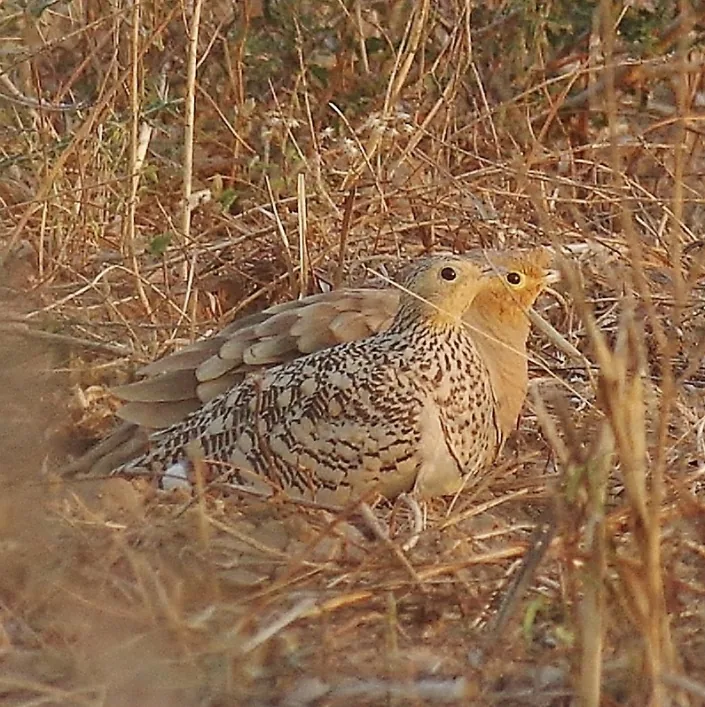
Photo: Bird Tour Asia
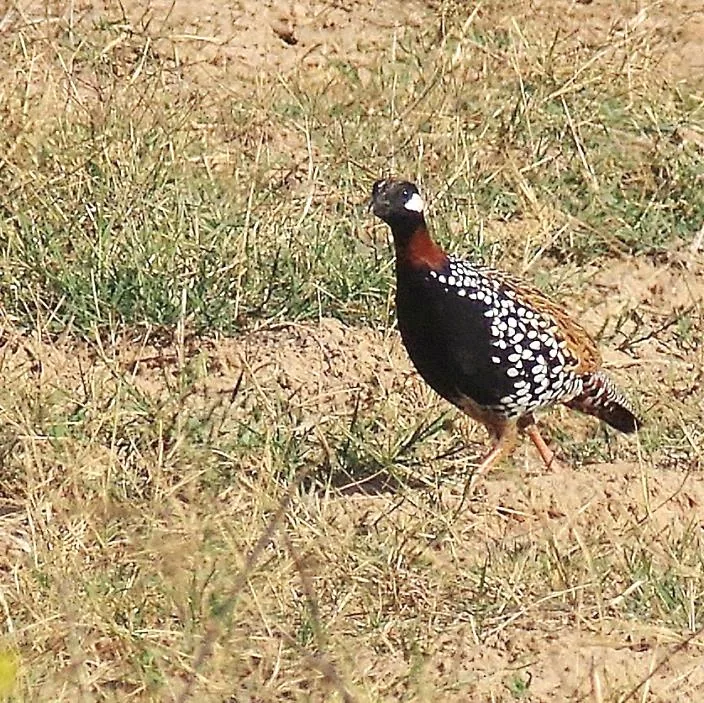
Photo: Bird Tour Asia
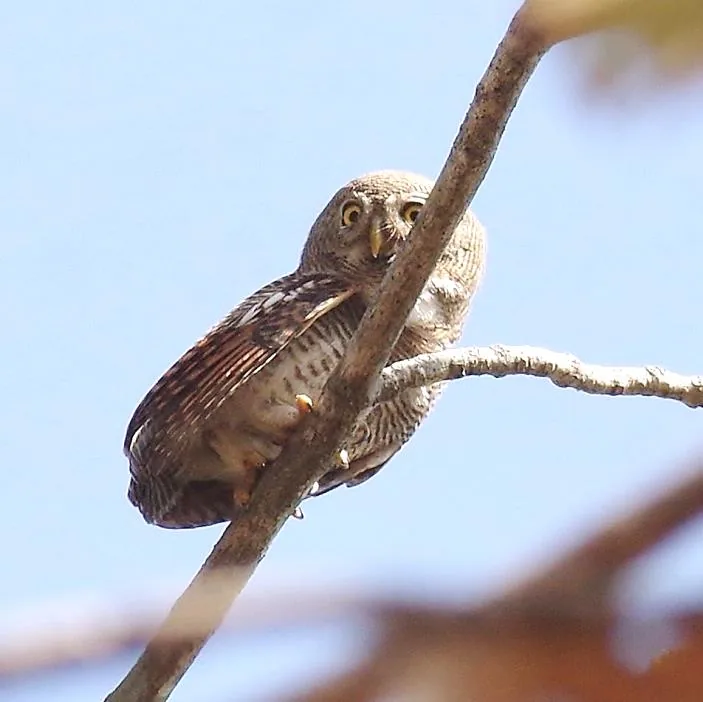
Photo: Bird Tour Asia
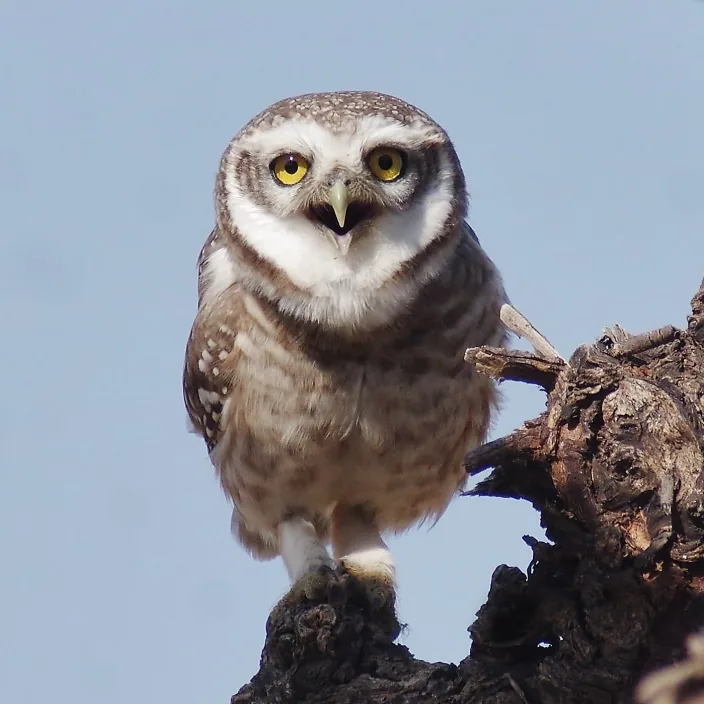
Photo: Bird Tour Asia
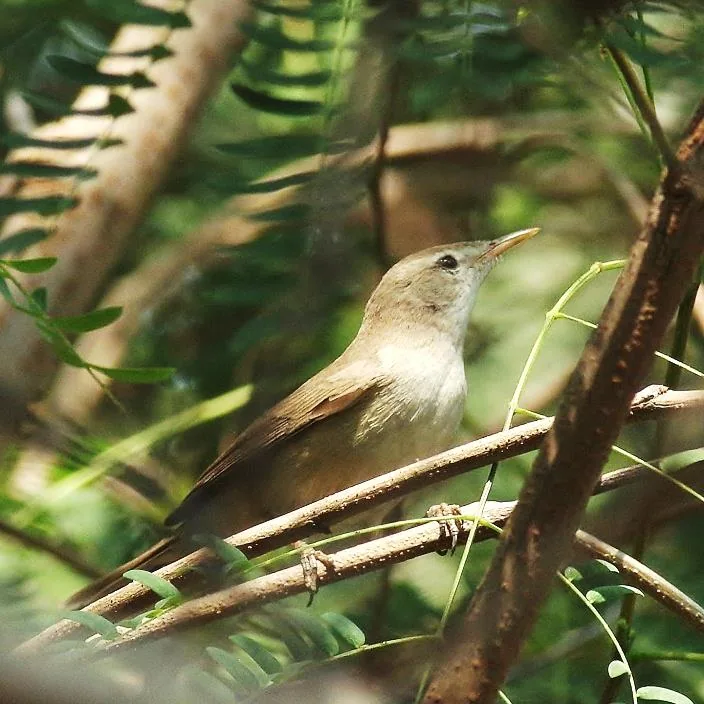
Photo: Bird Tour Asia
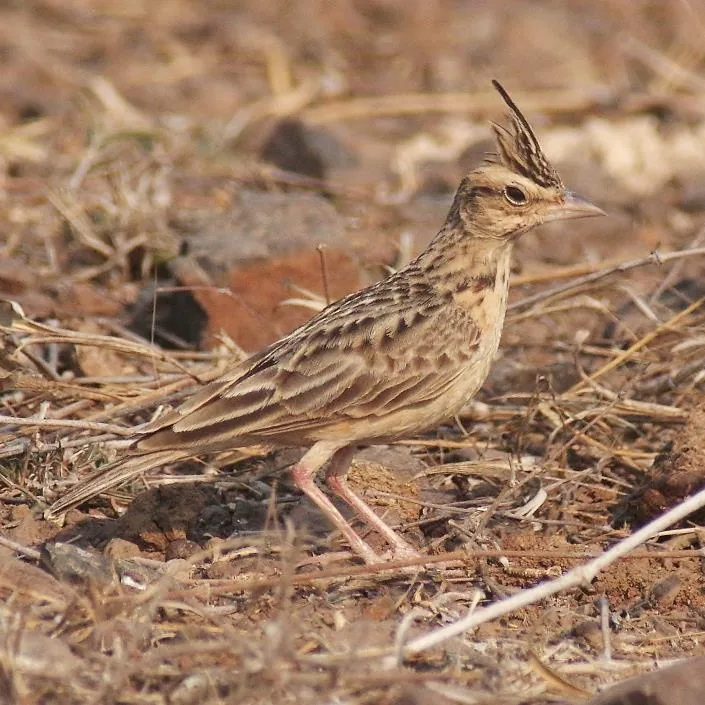
Photo: Bird Tour Asia
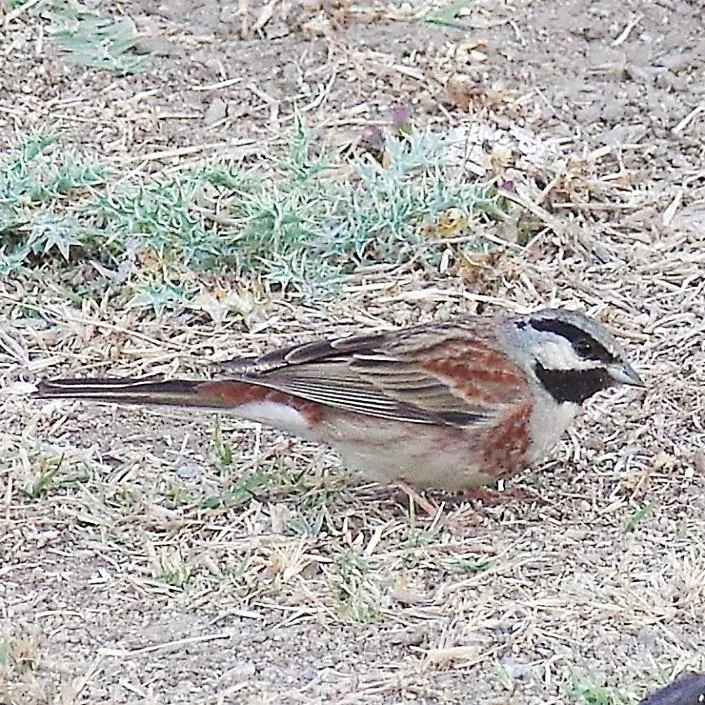
Photo: Bird Tour Asia
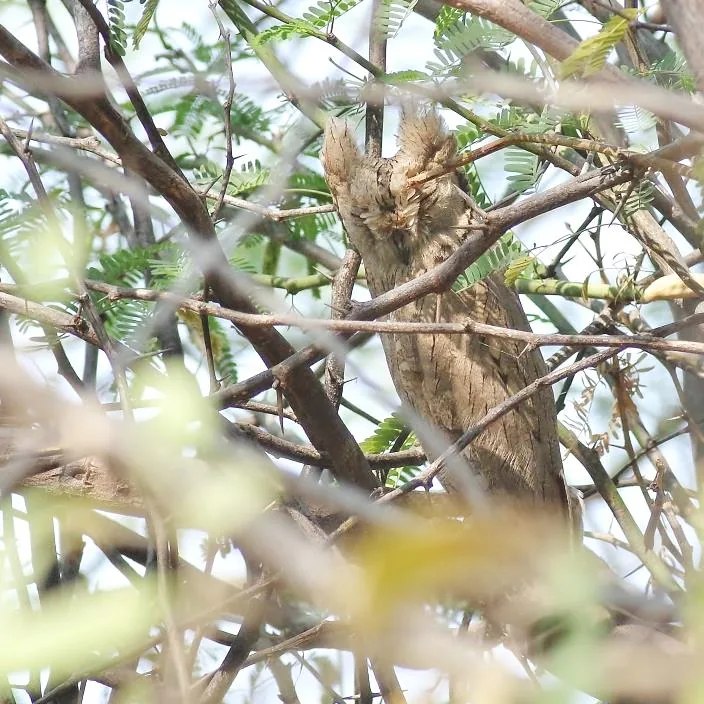
Photo: Bird Tour Asia
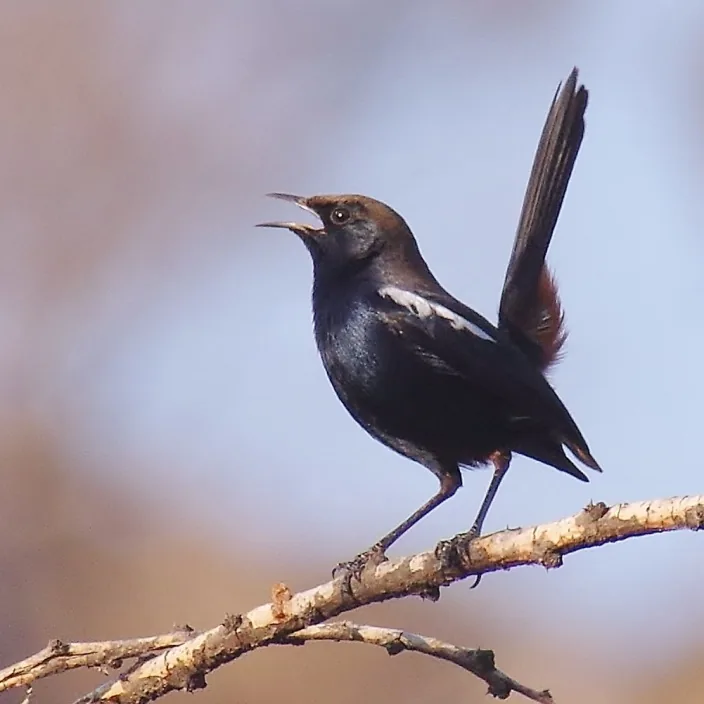
Photo: Bird Tour Asia
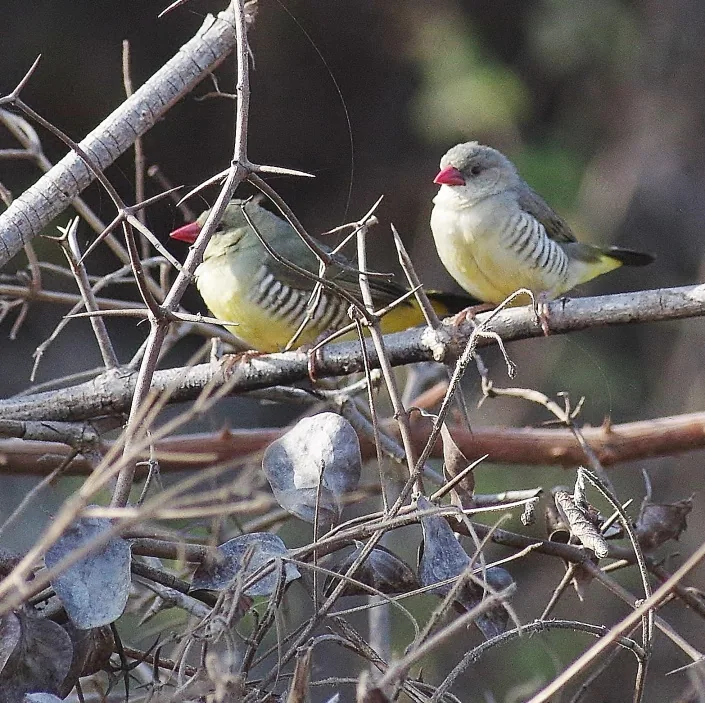
Photo: Bird Tour Asia
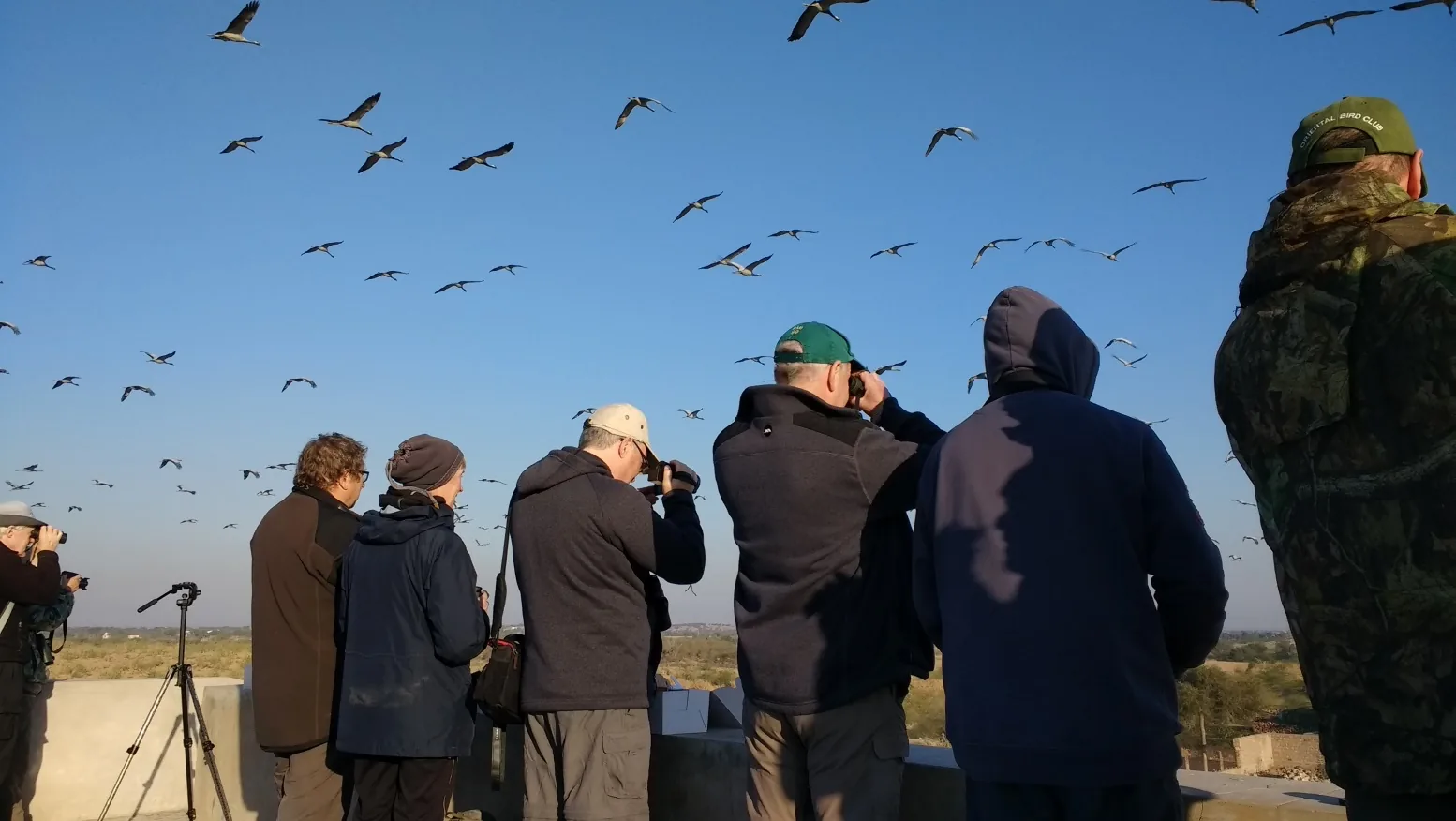
Photo: Mike Nelson
Places visited
- Desert National Park
- Great Rann of Kutch
- Harike Lake WLS
- Kutch Desert Wildlife Sanctuary
- Little Rann of Kutch
- Mount Abu Wildlife Sanctuary
- Tal Chhapar Sanctuary
Species named in the report
Mammals (15)
- Blackbuck Antilope cervicapra
- Chinkara Gazella bennettii
- Eurasian Wild Pig Sus scrofa
- Golden Jackal Canis aureus
- Indian Desert Jird Meriones hurrianae
- Indian Gray Mongoose Urva edwardsii
- Indian Hare Lepus nigricollis
- Indian Humpback Dolphin Sousa plumbea
- Indian Palm Squirrel Funambulus palmarum
- Nilgai Boselaphus tragocamelus
- Northern Palm Civet Paradoxurus hermaphroditus
- Red Fox Vulpes vulpes
- Rhesus Macaque Macaca mulatta
- Ruddy Mongoose Urva smithii
- Striped Hyena Hyaena hyaena
Birds (295)
- Alexandrine Parakeet Psittacula eupatria
- Alpine Swift Tachymarptis melba
- Anhinga Anhinga anhinga
- Ashy Drongo Dicrurus leucophaeus
- Ashy Prinia Prinia socialis
- Asian Desert Warbler Curruca nana
- Asian Houbara Chlamydotis macqueenii
- Asian Koel Eudynamys scolopaceus
- Asian Openbill Anastomus oscitans
- Asian Tit Parus cinereus
- Bank Myna Acridotheres ginginianus
- Bank Swallow Riparia riparia
- Bar-headed Goose Anser indicus
- Bar-tailed Godwit Limosa lapponica
- Bar-tailed Treecreeper Certhia himalayana
- Barn Swallow Hirundo rustica
- Bay-backed Shrike Lanius vittatus
- Baya Weaver Ploceus philippinus
- Black Bittern Botaurus flavicollis
- Black Drongo Dicrurus macrocercus
- Black Francolin Francolinus francolinus
- Black Kite Milvus migrans
- Black Redstart Phoenicurus ochruros
- Black Robin Petroica traversi
- Black Stork Ciconia nigra
- Black-bellied Plover Pluvialis squatarola
- Black-crowned Sparrow-Lark Eremopterix nigriceps
- Black-headed Gull Chroicocephalus ridibundus
- Black-headed Ibis Threskiornis melanocephalus
- Black-hooded Oriole Oriolus xanthornus
- Black-naped Monarch Hypothymis azurea
- Black-necked Stork Ephippiorhynchus asiaticus
- Black-rumped Flameback Dinopium benghalense
- Black-shouldered Kite Elanus axillaris
- Black-tailed Godwit Limosa limosa
- Black-throated Thrush Turdus atrogularis
- Black-winged Stilt Himantopus himantopus
- Blue Rock-Thrush Monticola solitarius
- Bluethroat Luscinia svecica
- Blyth's Reed Warbler Acrocephalus dumetorum
- Bonelli's Eagle Aquila fasciata
- Booted Eagle Hieraaetus pennatus
- Brahminy Starling Sturnia pagodarum
- Brown Rock Chat Oenanthe fusca
- Brown-capped Pygmy Woodpecker Yungipicus nanus
- Brown-headed Barbet Psilopogon zeylanicus
- Brown-headed Gull Chroicocephalus brunnicephalus
- Caspian Tern Hydroprogne caspia
- Chestnut-bellied Sandgrouse Pterocles exustus
- Citrine Wagtail Motacilla citreola
- Collared Scops-Owl Otus lettia
- Common Babbler Argya caudata
- Common Chiffchaff Phylloscopus collybita
- Common Crane Grus grus
- Common Greenshank Tringa nebularia
- Common Hoopoe Upupa epops
- Common Iora Aegithina tiphia
- Common Kingfisher Alcedo atthis
- Common Myna Acridotheres tristis
- Common Pochard Aythya ferina
- Common Redshank Tringa totanus
- Common Ringed Plover Charadrius hiaticula
- Common Sandpiper Actitis hypoleucos
- Common Shelduck Tadorna tadorna
- Common Snipe Gallinago gallinago
- Common Tailorbird Orthotomus sutorius
- Common Tern Sterna hirundo
- Common Woodshrike Tephrodornis pondicerianus
- Coppersmith Barbet Psilopogon haemacephalus
- Cream-colored Courser Cursorius cursor
- Crested Bunting Emberiza lathami
- Crested Lark Galerida cristata
- Crested Treeswift Hemiprocne coronata
- Curlew Sandpiper Calidris ferruginea
- Dalmatian Pelican Pelecanus crispus
- Demoiselle Crane Grus virgo
- Desert Lark Ammomanes deserti
- Desert Wheatear Oenanthe deserti
- Dunlin Calidris alpina
- Dusky Crag-Martin Ptyonoprogne concolor
- Eastern Orphean Warbler Curruca crassirostris
- Eastern Red-rumped Swallow Cecropis daurica
- Egyptian Vulture Neophron percnopterus
- Eurasian Collared-Dove Streptopelia decaocto
- Eurasian Coot Fulica atra
- Eurasian Curlew Numenius arquata
- Eurasian Griffon Gyps fulvus
- Eurasian Kestrel Falco tinnunculus
- Eurasian Moorhen Gallinula chloropus
- Eurasian Oystercatcher Haematopus ostralegus
- Eurasian Spoonbill Platalea leucorodia
- Eurasian Whimbrel Numenius phaeopus
- Eurasian Wigeon Mareca penelope
- Eurasian Wryneck Jynx torquilla
- Ferruginous Duck Aythya nyroca
- Forest Owlet Athene blewitti
- Gadwall Mareca strepera
- Glossy Ibis Plegadis falcinellus
- Graceful Prinia Prinia gracilis
- Gray Francolin Ortygornis pondicerianus
- Gray Heron Ardea cinerea
- Gray Wagtail Motacilla cinerea
- Gray-breasted Prinia Prinia hodgsonii
- Gray-necked Bunting Emberiza buchanani
- Graylag Goose Anser anser
- Great Cormorant Phalacrocorax carbo
- Great Crested Grebe Podiceps cristatus
- Great Crested Tern Thalasseus bergii
- Great Egret Ardea alba
- Great Indian Bustard Ardeotis nigriceps
- Great Thick-knee Esacus recurvirostris
- Great White Pelican Pelecanus onocrotalus
- Greater Coucal Centropus sinensis
- Greater Flamingo Phoenicopterus roseus
- Greater Hoopoe-Lark Alaemon alaudipes
- Greater Racket-tailed Drongo Dicrurus paradiseus
- Greater Sand-Plover Anarhynchus leschenaultii
- Greater Short-toed Lark Calandrella brachydactyla
- Greater Spotted Eagle Clanga clanga
- Green Avadavat Amandava formosa
- Green Sandpiper Tringa ochropus
- Green-winged Teal Anas crecca
- Greenish Warbler Phylloscopus trochiloides
- Gull-billed Tern Gelochelidon nilotica
- House Crow Corvus splendens
- House Sparrow Passer domesticus
- Hume's Warbler Phylloscopus humei
- Hypocolius Hypocolius ampelinus
- Imperial Eagle Aquila heliaca
- Indian Bushlark Plocealauda erythroptera
- Indian Cormorant Phalacrocorax fuscicollis
- Indian Courser Cursorius coromandelicus
- Indian Cuckooshrike Coracina macei
- Indian Golden Oriole Oriolus kundoo
- Indian Gray Hornbill Ocyceros birostris
- Indian Nightjar Caprimulgus asiaticus
- Indian Paradise-Flycatcher Terpsiphone paradisi
- Indian Peafowl Pavo cristatus
- Indian Pied Starling Gracupica contra
- Indian Pond-Heron Ardeola grayii
- Indian Robin Copsychus fulicatus
- Indian Roller Coracias benghalensis
- Indian Scops-Owl Otus bakkamoena
- Indian Silverbill Euodice malabarica
- Indian Spot-billed Duck Anas poecilorhyncha
- Indian Spotted Creeper Salpornis spilonota
- Indian Thick-knee Burhinus indicus
- Indian Vulture Gyps indicus
- Indian Yellow Tit Machlolophus aplonotus
- Isabelline Wheatear Oenanthe isabellina
- Jack Snipe Lymnocryptes minimus
- Jerdon's Babbler Chrysomma altirostre
- Jerdon's Leafbird Chloropsis jerdoni
- Jungle Babbler Argya striata
- Jungle Bush-Quail Perdicula asiatica
- Jungle Nightjar Caprimulgus indicus
- Jungle Owlet Glaucidium radiatum
- Kentish Plover Anarhynchus alexandrinus
- Laggar Falcon Falco jugger
- Large Gray Babbler Argya malcolmi
- Laughing Dove Spilopelia senegalensis
- Lesser Crested Tern Thalasseus bengalensis
- Lesser Flamingo Phoeniconaias minor
- Lesser Whitethroat Curruca curruca
- Little Cormorant Microcarbo niger
- Little Egret Egretta garzetta
- Little Grebe Tachybaptus ruficollis
- Little Ringed Plover Thinornis dubius
- Little Stint Calidris minuta
- Little Swift Apus affinis
- Little Tern Sternula albifrons
- Long-billed Pipit Anthus similis
- Long-legged Buzzard Buteo rufinus
- Long-tailed Shrike Lanius schach
- Malabar Parakeet Psittacula columboides
- Marsh Sandpiper Tringa stagnatilis
- Medium Egret Ardea intermedia
- Montagu's Harrier Circus pygargus
- Mottled Wood-Owl Strix ocellata
- Mountain Chiffchaff Phylloscopus sindianus
- Moustached Warbler Acrocephalus melanopogon
- Northern Pintail Anas acuta
- Northern Shoveler Spatula clypeata
- Olive-backed Pipit Anthus hodgsoni
- Oriental Darter Anhinga melanogaster
- Oriental Magpie-Robin Copsychus saularis
- Oriental Turtle-Dove Streptopelia orientalis
- Paddyfield Pipit Anthus rufulus
- Paddyfield Warbler Acrocephalus agricola
- Painted Sandgrouse Pterocles indicus
- Painted Stork Mycteria leucocephala
- Pale-billed Flowerpecker Dicaeum erythrorhynchos
- Pallas's Gull Ichthyaetus ichthyaetus
- Pallid Harrier Circus macrourus
- Pallid Scops-Owl Otus brucei
- Persian Wheatear Oenanthe chrysopygia
- Pied Avocet Recurvirostra avosetta
- Pied Bushchat Saxicola caprata
- Pied Kingfisher Ceryle rudis
- Plain Prinia Prinia inornata
- Plum-headed Parakeet Psittacula cyanocephala
- Puff-throated Babbler Pellorneum ruficeps
- Purple Heron Ardea purpurea
- Purple Sunbird Cinnyris asiaticus
- Red Collared-Dove Streptopelia tranquebarica
- Red-breasted Flycatcher Ficedula parva
- Red-headed Vulture Sarcogyps calvus
- Red-naped Ibis Pseudibis papillosa
- Red-necked Falcon Falco chicquera
- Red-vented Bulbul Pycnonotus cafer
- Red-wattled Lapwing Vanellus indicus
- Red-whiskered Bulbul Pycnonotus jocosus
- River Tern Sterna aurantia
- Rock Bush-Quail Perdicula argoondah
- Rock Eagle-Owl Bubo bengalensis
- Rock Pigeon Columba livia
- Rock Sparrow Petronia petronia
- Rose-ringed Parakeet Psittacula krameri
- Rosy Starling Pastor roseus
- Ruddy Shelduck Tadorna ferruginea
- Ruddy Turnstone Arenaria interpres
- Ruff Calidris pugnax
- Rufous Treepie Dendrocitta vagabunda
- Rufous Woodpecker Micropternus brachyurus
- Rufous-fronted Prinia Prinia buchanani
- Rufous-tailed Lark Ammomanes phoenicura
- Rufous-vented Grass Babbler Laticilla burnesii
- Sanderling Calidris alba
- Savanna Nightjar Caprimulgus affinis
- Shikra Tachyspiza badia
- Siberian Sand-Plover Anarhynchus mongolus
- Siberian Stonechat Saxicola maurus
- Sind Sparrow Passer pyrrhonotus
- Sirkeer Malkoha Taccocua leschenaultii
- Slender-billed Gull Chroicocephalus genei
- Small Buttonquail Turnix sylvaticus
- Small Minivet Pericrocotus cinnamomeus
- Small Pratincole Glareola lactea
- Spot-breasted Fantail Rhipidura albogularis
- Spotted Dove Spilopelia chinensis
- Spotted Owlet Athene brama
- Spotted Redshank Tringa erythropus
- Steppe Eagle Aquila nipalensis
- Streak-throated Swallow Petrochelidon fluvicola
- Striated Babbler Argya earlei
- Striated Heron Butorides striata
- Striolated Bunting Emberiza striolata
- Sulphur-bellied Warbler Phylloscopus griseolus
- Sykes's Nightjar Caprimulgus mahrattensis
- Sykes's Warbler Iduna rama
- Taiga Flycatcher Ficedula albicilla
- Tawny Lark Galerida deva
- Tawny Pipit Anthus campestris
- Temminck's Stint Calidris temminckii
- Terek Sandpiper Xenus cinereus
- Thick-billed Flowerpecker Pachyglossa agilis
- Tickell's Blue Flycatcher Cyornis tickelliae
- Tickell's Thrush Turdus unicolor
- Tree Pipit Anthus trivialis
- Trumpeter Finch Bucanetes githagineus
- Tufted Duck Aythya fuligula
- Variable Wheatear Oenanthe picata
- Vigors's Sunbird Aethopyga vigorsii
- Western Cattle-Egret Ardea ibis
- Western Crowned Warbler Phylloscopus occipitalis
- Western Marsh Harrier Circus aeruginosus
- Western Reef-Heron Egretta gularis
- Western Swamphen Porphyrio porphyrio
- Western Yellow Wagtail Motacilla flava
- Whiskered Tern Chlidonias hybrida
- White Wagtail Motacilla alba
- White-bellied Drongo Dicrurus caerulescens
- White-bellied Minivet Pericrocotus erythropygius
- White-breasted Waterhen Amaurornis phoenicurus
- White-browed Fantail Rhipidura aureola
- White-browed Wagtail Motacilla maderaspatensis
- White-capped Bunting Emberiza stewarti
- White-eared Bulbul Pycnonotus leucotis
- White-eyed Buzzard Butastur teesa
- White-naped Tit Machlolophus nuchalis
- White-naped Woodpecker Chrysocolaptes festivus
- White-tailed Iora Aegithina nigrolutea
- White-tailed Lapwing Vanellus leucurus
- White-tailed Stonechat Saxicola leucurus
- White-throated Kingfisher Halcyon smyrnensis
- White-winged Tern Chlidonias leucopterus
- Wire-tailed Swallow Hirundo smithii
- Wood Sandpiper Tringa glareola
- Yellow-bellied Prinia Prinia flaviventris
- Yellow-eyed Babbler Chrysomma sinense
- Yellow-eyed Pigeon Columba eversmanni
- Yellow-footed Green-Pigeon Treron phoenicopterus
- Yellow-fronted Woodpecker Melanerpes flavifrons
- Yellow-throated Sparrow Gymnoris xanthocollis
- Yellow-wattled Lapwing Vanellus malabaricus
Data last updated 2026-11-12. Species and places are matched by our software from the operator's trip report and may contain mistakes; they are reports by people who travelled there, not verified records. Photos are the operator's (or the named photographer's), used with permission. Species at serious risk from poaching are not listed. How this database works.