Wildlife of Desert National Park
national park · India
Desert National Park is a national park in India covering about 3,625 km². Our database links 4 mammals and 226 birds species to it, and it features in 2 trip reports.
What wildlife can you see at Desert National Park?
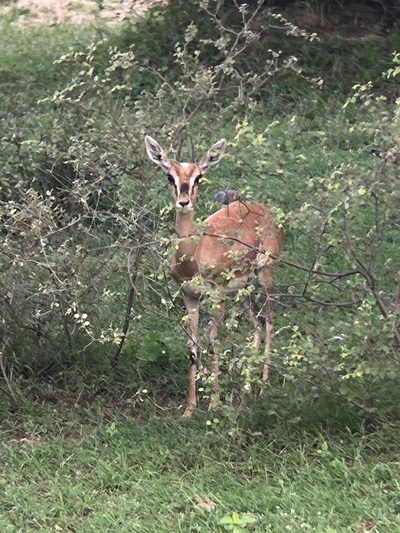
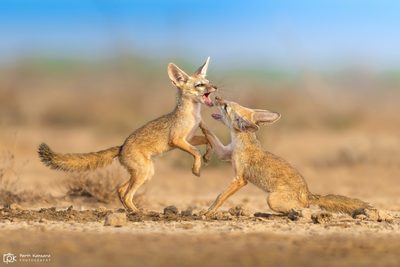
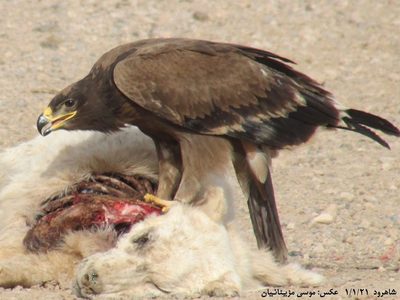
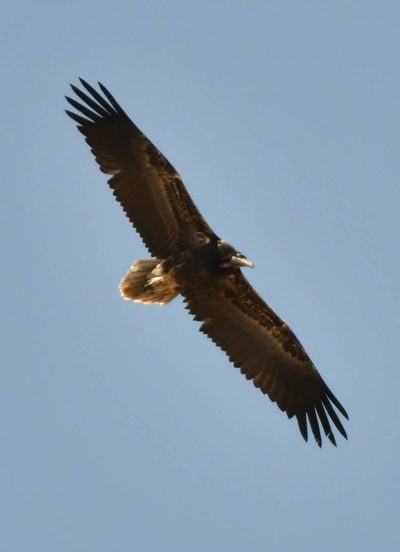
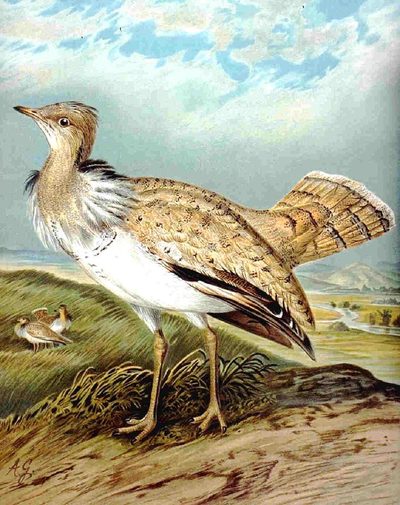
At least 4 mammal and 226 bird species are recorded at Desert National Park (GBIF records and our guides; small mammals and bats are under-recorded). Species visitors look for include Chinkara, Indian Fox, Steppe Eagle, Egyptian Vulture and Asian Houbara.
Species to look for
Mammals most often recorded
- Red Fox 5 rec.
- Chinkara 5 rec.
- Nilgai 3 rec.
- Indian Fox · listed by our guide
Birds most often recorded
- Variable Wheatear 1,888 rec.
- Common Babbler 1,732 rec.
- Great Gray Shrike 1,710 rec.
- Eurasian Collared-Dove 1,678 rec.
- White-eared Bulbul 1,542 rec.
- Egyptian Vulture 1,470 rec.
- House Sparrow 1,371 rec.
- Desert Wheatear 1,320 rec.
- Black-crowned Sparrow-Lark 1,317 rec.
- Asian Green Bee-eater 1,306 rec.
- Greater Short-toed Lark 1,214 rec.
- Gray Francolin 1,192 rec.
- Chestnut-bellied Sandgrouse 1,137 rec.
- Eurasian Kestrel 1,024 rec.
- Red-vented Bulbul 1,011 rec.
- Isabelline Wheatear 973 rec.
- Tawny Eagle 971 rec.
- Rock Pigeon 964 rec.
- Black Drongo 916 rec.
- House Crow 902 rec.
- Indian Silverbill 896 rec.
- Laggar Falcon 890 rec.
- Laughing Dove 882 rec.
- Long-legged Buzzard 868 rec.
- Rosy Starling 841 rec.
- Cinereous Vulture 811 rec.
- Lesser Whitethroat 806 rec.
- Steppe Eagle 754 rec.
- Bimaculated Lark 738 rec.
- Eurasian Griffon 709 rec.
196 more birds on the full list.
Trip reports from Desert National Park
- Gujarat Mammal Watching Trip Report, December 2013: Royle Safaris — Royle Safaris
- Gujarat and Agra Mammal Watching Trip Report 2007 — Jon Hall (mammalwatching.com)
In our guides
Visiting tips, access and seasons: Desert National Park in our India guide.
1 species are listed for this place by our own guides.
GBIF download for India: doi:10.15468/dl.wgy7hx.
Data last updated 2026-11-05. Species–place links come from GBIF occurrence downloads (GBIF.org) matched to protected-area boundaries from OpenStreetMap (© OpenStreetMap contributors, ODbL) and other open boundary sources, plus places listed by our own guides. Record counts are what has been reported to GBIF, not population sizes. Reptiles and amphibians are never shown at park level. How this database works · Data sources and limits.