Wildlife of Yanbaru National Park
national park · Japan
Yanbaru National Park is a national park in Japan covering about 207 km². Our database links 4 mammals and 126 birds species to it, and it features in 1 trip report.
What wildlife can you see at Yanbaru National Park?
At least 4 mammal and 126 bird species are recorded at Yanbaru National Park (GBIF records and our guides; small mammals and bats are under-recorded). Species visitors look for include Okinawa Rail, Okinawa Woodpecker and Ryukyu Flying Fox.
Species to look for
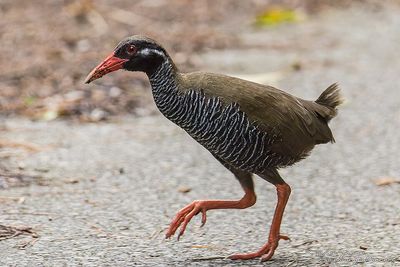
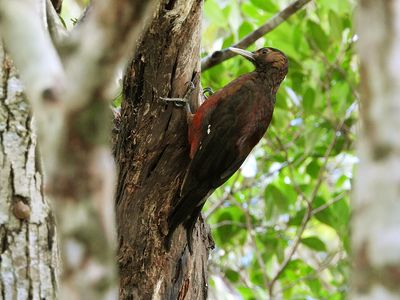
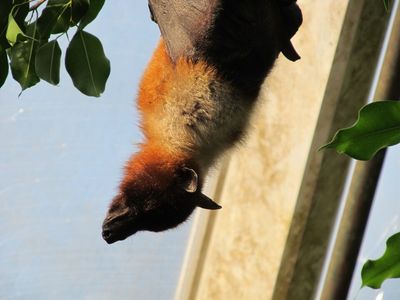
Mammals most often recorded
- Ryukyu Islands Tree Rat 79 rec.
- Eurasian Wild Pig 6 rec.
- Domestic Goat 3 rec.
- Ryukyu Flying Fox · listed by our guide
Birds most often recorded
- Brown-eared Bulbul 1,921 rec.
- Large-billed Crow 1,838 rec.
- Warbling White-eye 1,640 rec.
- Okinawa Rail 1,541 rec.
- Ryukyu Robin 1,450 rec.
- Japanese Bush Warbler 1,355 rec.
- Okinawa Woodpecker 1,052 rec.
- Asian Tit 907 rec.
- Ryukyu Minivet 856 rec.
- Oriental Turtle-Dove 758 rec.
- Japanese Pygmy Woodpecker 737 rec.
- Varied Tit 706 rec.
- Pacific Swallow 621 rec.
- Ryukyu Scops-Owl 526 rec.
- Blue Rock-Thrush 513 rec.
- Ruddy Kingfisher 496 rec.
- Pale Thrush 435 rec.
- Gray-faced Buzzard 433 rec.
- Whistling Green-Pigeon 389 rec.
- Gray Wagtail 325 rec.
- Black Wood-Pigeon 324 rec.
- Northern Boobook 279 rec.
- Japanese Scops-Owl 262 rec.
- Zitting Cisticola 205 rec.
- Light-vented Bulbul 175 rec.
- Eurasian Tree Sparrow 169 rec.
- Common Kingfisher 132 rec.
- Barn Swallow 130 rec.
- Common Sandpiper 125 rec.
- Osprey 122 rec.
96 more birds on the full list.
Trip reports from Yanbaru National Park
- Japan Winter Birding Trip Report, January to February 2025: Tropical Birding — Tropical Birding
In our guides
Visiting tips, access and seasons: Yanbaru National Park in our Japan guide.
1 species are listed for this place by our own guides.
GBIF download for Japan: doi:10.15468/dl.gey9fe.
Data last updated 2026-11-05. Species–place links come from GBIF occurrence downloads (GBIF.org) matched to protected-area boundaries from OpenStreetMap (© OpenStreetMap contributors, ODbL) and other open boundary sources, plus places listed by our own guides. Record counts are what has been reported to GBIF, not population sizes. Reptiles and amphibians are never shown at park level. How this database works · Data sources and limits.