Wildlife of Bhitarkanika National Park
national park · India
Bhitarkanika National Park is a national park in India covering about 183 km². Our database links 2 mammals and 231 birds species to it.
What wildlife can you see at Bhitarkanika National Park?
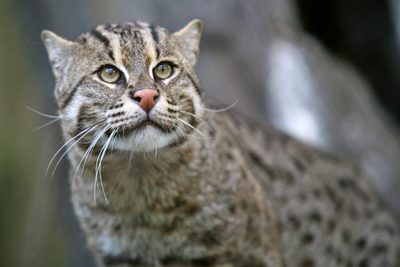
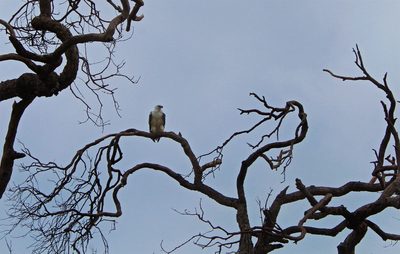
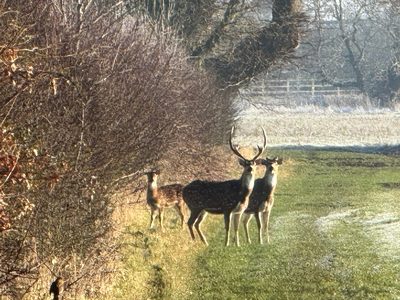
At least 2 mammal and 231 bird species are recorded at Bhitarkanika National Park (GBIF records and our guides; small mammals and bats are under-recorded). Species visitors look for include Fishing Cat, White-bellied Sea-Eagle and Chital.
Species to look for
Mammals most often recorded
- Fishing Cat · listed by our guide
- Chital · listed by our guide
Birds most often recorded
- Rose-ringed Parakeet 799 rec.
- Indian Pond-Heron 736 rec.
- Spotted Dove 703 rec.
- Collared Kingfisher 687 rec.
- Little Egret 674 rec.
- White-throated Kingfisher 643 rec.
- Black Drongo 632 rec.
- White-breasted Waterhen 623 rec.
- Brown-winged Kingfisher 602 rec.
- Red-wattled Lapwing 596 rec.
- Eurasian Collared-Dove 563 rec.
- Asian Green Bee-eater 551 rec.
- Black-capped Kingfisher 545 rec.
- Little Cormorant 511 rec.
- Rufous Treepie 508 rec.
- Black-rumped Flameback 505 rec.
- Eurasian Whimbrel 497 rec.
- Red-whiskered Bulbul 497 rec.
- Oriental Magpie-Robin 488 rec.
- Common Sandpiper 483 rec.
- Common Tailorbird 480 rec.
- Common Myna 472 rec.
- Common Iora 465 rec.
- Great Egret 457 rec.
- Large-billed Crow 451 rec.
- Rock Pigeon 431 rec.
- Common Redshank 420 rec.
- Asian Openbill 418 rec.
- Greater Coucal 417 rec.
- Common Kingfisher 413 rec.
201 more birds on the full list.
Nearby wildlife sites
- Gahirmatha Marine Sanctuary 14 km · 104 species
- Bhitarkanika WLS 15 km · 172 species
In our guides
Visiting tips, access and seasons: Bhitarkanika National Park in our India guide.
2 species are listed for this place by our own guides.
GBIF download for India: doi:10.15468/dl.wgy7hx.
Data last updated 2026-11-05. Species–place links come from GBIF occurrence downloads (GBIF.org) matched to protected-area boundaries from OpenStreetMap (© OpenStreetMap contributors, ODbL) and other open boundary sources, plus places listed by our own guides. Record counts are what has been reported to GBIF, not population sizes. Reptiles and amphibians are never shown at park level. How this database works · Data sources and limits.