Free field guide to Hallasan National Park
Printable PDF or e-book · South Korea
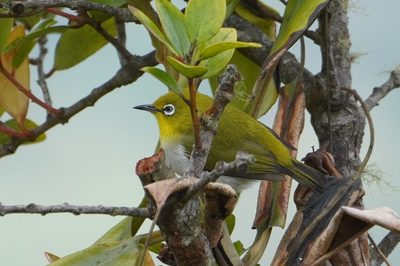
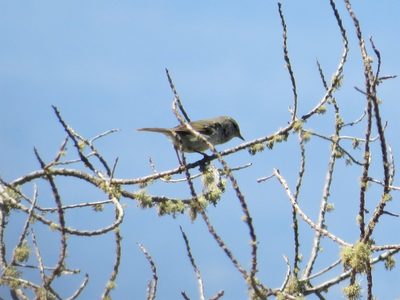
A free printable field guide to Hallasan National Park covers 6 mammals and 65 birds in taxonomic order, with photos for 71 species and a tick-box checklist. It downloads as a PDF (A5 pocket size) or EPUB e-book. You choose the animal groups; the book is built in your browser in under a minute.
Inside the guide

How to make your Hallasan National Park field guide
- Open the field guide builder (Hallasan National Park is already selected).
- Pick animal groups: mammals, birds, reptiles and amphibians (reptiles and amphibians come from a 20 km grid around the area).
- Choose pocket or full size, then save as PDF or download the EPUB.
Checklist: mammals of Hallasan National Park (6)
Sciuridae
- Siberian Chipmunk Eutamias sibiricus
Mustelidae
- Asian Badger Meles leucurus
Cervidae
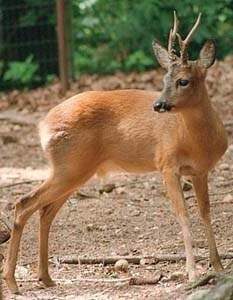
- Eastern Roe Deer Capreolus pygargus
- Western Red Deer Cervus elaphus
- Sika Deer Cervus nippon
Suidae
- Eurasian Wild Pig Sus scrofa
Checklist: birds of Hallasan National Park (65)
Anatidae
- Eastern Spot-billed Duck Anas zonorhyncha
- Mallard Anas platyrhynchos
- Green-winged Teal Anas crecca
Phasianidae
- Ring-necked Pheasant Phasianus colchicus
Cuculidae
- Northern Hawk-Cuckoo Hierococcyx hyperythrus
- Lesser Cuckoo Cuculus poliocephalus
- Oriental Cuckoo Cuculus optatus
- Common Cuckoo Cuculus canorus
Columbidae
- Oriental Turtle-Dove Streptopelia orientalis
- Rock Pigeon Columba livia
Scolopacidae
- Common Snipe Gallinago gallinago
Ardeidae
- Gray Heron Ardea cinerea
Apodidae
- White-throated Needletail Hirundapus caudacutus
- Pacific Swift Apus pacificus
Accipitridae
- Cinereous Vulture Aegypius monachus
- Eurasian Sparrowhawk Accipiter nisus
- Eastern Buzzard Buteo japonicus
Picidae
- White-backed Woodpecker Dendrocopos leucotos
Falconidae
- Eurasian Kestrel Falco tinnunculus
- Peregrine Falcon Falco peregrinus
Monarchidae
- Black Paradise-Flycatcher Terpsiphone atrocaudata
Laniidae
- Bull-headed Shrike Lanius bucephalus
Corvidae
- Eurasian Jay Garrulus glandarius
- Oriental Magpie Pica serica
- Rook Corvus frugilegus
- Carrion Crow Corvus corone
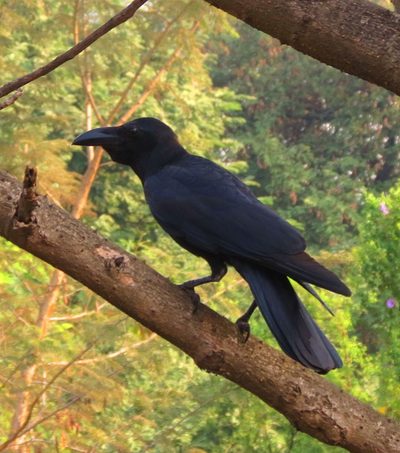
- Large-billed Crow Corvus macrorhynchos
Paridae
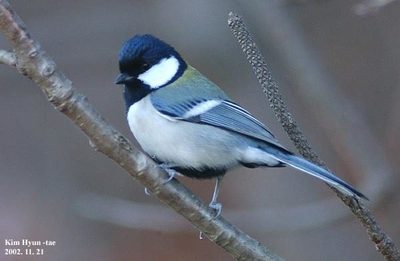
- Asian Tit Parus cinereus
- Yellow-bellied Tit Periparus venustulus
- Coal Tit Periparus ater
- Varied Tit Sittiparus varius
Hirundinidae
- Barn Swallow Hirundo rustica
Aegithalidae
- Long-tailed Tit Aegithalos caudatus
Cettiidae
- Asian Stubtail Urosphena squameiceps
- Japanese Bush Warbler Horornis diphone
Phylloscopidae
- Yellow-browed Warbler Phylloscopus inornatus
Pycnonotidae
- Light-vented Bulbul Pycnonotus sinensis
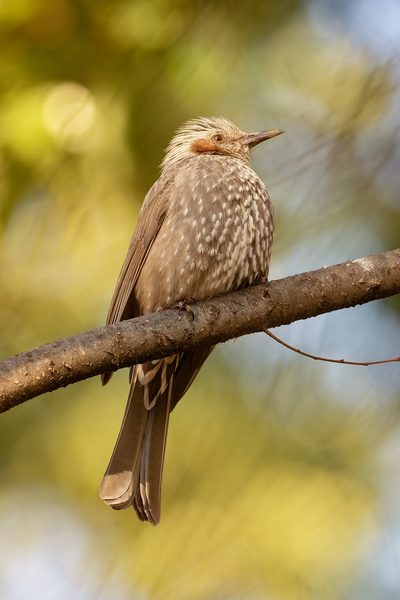
- Brown-eared Bulbul Hypsipetes amaurotis
Zosteropidae
- Warbling White-eye Zosterops japonicus
Bombycillidae
- Japanese Waxwing Bombycilla japonica
Regulidae
- Goldcrest Regulus regulus
Troglodytidae
- Eurasian Wren Troglodytes troglodytes
Turdidae
- Dusky Thrush Turdus eunomus
- Gray-backed Thrush Turdus hortulorum
- Eyebrowed Thrush Turdus obscurus
- Pale Thrush Turdus pallidus
Muscicapidae
- Gray-streaked Flycatcher Muscicapa griseisticta
- Asian Brown Flycatcher Muscicapa dauurica
- Blue-and-white Flycatcher Cyanoptila cyanomelana
- Yellow-rumped Flycatcher Ficedula zanthopygia
- Daurian Redstart Phoenicurus auroreus
- Blue Rock-Thrush Monticola solitarius
Passeridae
- Eurasian Tree Sparrow Passer montanus
Motacillidae
- Gray Wagtail Motacilla cinerea
- White Wagtail Motacilla alba
- Olive-backed Pipit Anthus hodgsoni
Fringillidae
- Brambling Fringilla montifringilla
- Hawfinch Coccothraustes coccothraustes
- Yellow-billed Grosbeak Eophona migratoria
- Oriental Greenfinch Chloris sinica
- Red Crossbill Loxia curvirostra
- Eurasian Siskin Spinus spinus
Emberizidae
- Yellow-throated Bunting Emberiza elegans
- Rustic Bunting Emberiza rustica
- Meadow Bunting Emberiza cioides
Order follows AviList (birds) and the Mammal Diversity Database (mammals).
Data last updated 2026-11-05. Species–place links come from GBIF occurrence downloads (GBIF.org) matched to protected-area boundaries from OpenStreetMap (© OpenStreetMap contributors, ODbL) and other open boundary sources, plus places listed by our own guides. Record counts are what has been reported to GBIF, not population sizes. Reptiles and amphibians are never shown at park level. How this database works · Data sources and limits.