Wildlife of Parque Estadual Cristalino
protected area · Brazil
Parque Estadual Cristalino is a protected area in Brazil covering about 600 km². Our database links 2 mammals and 546 birds species to it.
What wildlife can you see at Parque Estadual Cristalino?
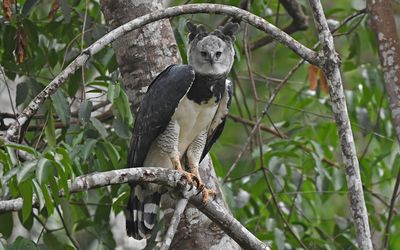
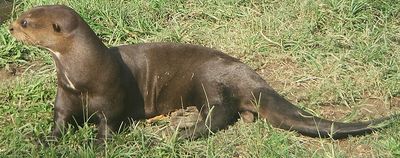
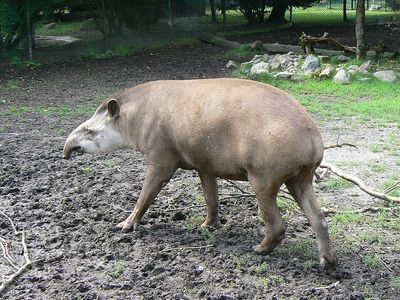
At least 2 mammal and 546 bird species are recorded at Parque Estadual Cristalino (GBIF records and our guides; small mammals and bats are under-recorded). Species visitors look for include Harpy Eagle, Giant Otter and Lowland Tapir.
Species to look for
Mammals most often recorded
- Giant Otter · listed by our guide
- Lowland Tapir · listed by our guide
Birds most often recorded
- Blue-headed Parrot 1,131 rec.
- White-throated Toucan 1,035 rec.
- Swallow-winged Puffbird 976 rec.
- White-winged Swallow 961 rec.
- Blue-and-yellow Macaw 938 rec.
- Southern Rough-winged Swallow 922 rec.
- Screaming Piha 898 rec.
- Amazon Kingfisher 881 rec.
- Greater Yellow-headed Vulture 872 rec.
- White-banded Swallow 858 rec.
- Red-throated Piping-Guan 833 rec.
- Golden-winged Parakeet 806 rec.
- Chestnut-fronted Macaw 774 rec.
- Black-fronted Nunbird 712 rec.
- Green Ibis 685 rec.
- Palm Tanager 681 rec.
- Spangled Cotinga 675 rec.
- Black Vulture 668 rec.
- Sunbittern 648 rec.
- Paradise Jacamar 644 rec.
- Channel-billed Toucan 633 rec.
- Scarlet Macaw 633 rec.
- Santarem Parakeet 629 rec.
- Green Kingfisher 609 rec.
- Bare-necked Fruitcrow 608 rec.
- Yellow-rumped Cacique 606 rec.
- White-eyed Parakeet 600 rec.
- Neotropic Cormorant 589 rec.
- Anhinga 575 rec.
- Capped Heron 563 rec.
516 more birds on the full list.
Nearby wildlife sites
- Cristalino State Park 10 km · 601 species
- Reserva Particular do Patrimônio Natural Cristalino III 20 km · 585 species
- Reserva Particular do Patrimônio Natural Cristalino I 23 km · 697 species
- Reserva Particular do Patrimônio Natural Lote Cristalino 25 km · 701 species
- Parque Estadual Cristalino II 31 km · 233 species
2 species are listed for this place by our own guides.
GBIF download for Brazil: doi:10.15468/dl.2u5zep.
Data last updated 2026-11-05. Species–place links come from GBIF occurrence downloads (GBIF.org) matched to protected-area boundaries from OpenStreetMap (© OpenStreetMap contributors, ODbL) and other open boundary sources, plus places listed by our own guides. Record counts are what has been reported to GBIF, not population sizes. Reptiles and amphibians are never shown at park level. How this database works · Data sources and limits.